COURSE OBJECTIVES
The Monitoring, Evaluation, Accountability and Learning (MEAL) course is designed for development professionals also known as MEAL DPro.
By end of the MEAL DPro course the students will be able to :

- Develop a comprehensive understanding of monitoring, evaluation, accountability, and learning concepts, frameworks, and methodologies.
- Familiarize students with the tools and techniques used in data collection, analysis, and reporting in MEAL.
- Train in the design and implementation of monitoring and evaluation plans for projects and programs.
- Emphasize the importance of accountability and transparency in project management and development initiatives.
- Enhance learning practices to ensure continuous improvement and adaptive management in projects.
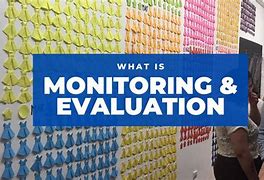
The course will tackle the following;
Introduction to MEAL
– Understanding the MEAL framework and its components
– The role of MEAL in project and program management
– Key principles and ethical considerations in MEAL
– MEAL frameworks and standards
Designing MEAL Systems
– Developing a MEAL plan and indicators
– Defining project objectives and outcomes
– Selecting appropriate data collection methods
– Baseline studies and target setting
Data Collection and Analysis
– Quantitative and qualitative data collection techniques
– Data management and cleaning
– Data analysis and interpretation
– Using software for data analysis (e.g., Excel, SPSS, or R)

Evaluation and Impact Assessment
– Types of evaluations (formative, summative, and impact evaluations)
– Designing an evaluation framework
– Impact assessment methodologies
– Communicating evaluation findings and recommendations
Accountability and Learning in MEAL

– The importance of accountability and transparency in project management
– Engaging stakeholders and beneficiaries in MEAL
– Using learning to improve project performance
– Adaptive management and course correct.
Why Study this Course:
- In-Demand Skills: Monitoring, evaluation, accountability, and learning skills are highly sought after by organizations, particularly in the development sector, as they ensure effective project management and outcomes.
- Improved Project Performance: Understanding MEAL practices allows professionals to make informed decisions, measure project impact, and adapt strategies for improved performance.
- Career Advancement: The course can open up new career opportunities and advancement prospects for individuals looking to specialize in monitoring and evaluation.

4. Social Impact: By studying this course, individuals can contribute to creating positive social impact by ensuring effective and evidence-based interventions in development projects.
5.Versatility: The skills acquired in this course are transferable across various sectors and organizations, making graduates valuable assets in a wide range of industries.
Who is this Course for:
- Development Practitioners: Professionals working in the development sector, NGOs, or governmental agencies involved in project management and seeking to enhance their MEAL skills.
- Project Managers: Individuals responsible for managing projects and programs and wanting to implement robust monitoring and evaluation practices.
- Researchers and Data Analysts: Professionals with a background in research or data analysis seeking to apply their skills in the context of monitoring and evaluation.
- Graduates and Students: Recent graduates or students interested in pursuing a career in development, project management, or monitoring and evaluation.
- Program and Portfolio Managers: Program and portfolio managers who oversee multiple projects and need to ensure effective monitoring and evaluation across their programs.
- Social Impact Professionals: Individuals working in social impact organizations, CSR initiatives, or sustainability projects seeking to enhance their ability to measure and communicate their impact.

Course Features
- Lectures 7
- Quizzes 0
- Duration 10 weeks
- Skill level All levels
- Language English
- Students 157
- Assessments Yes
Curriculum
- 3 Sections
- 7 Lessons
- 10 Weeks
- MODULE 1: UNDERSTANDING-MEALIn this module, the student will learn and explore the following: • Understand the concept and importance of MEAL and the MEAL cycle as a whole • Develop skills in designing implementing and managing monitoring and evaluation frameworks and systems • Develop skills in designing implementing and managing learning and knowledge management systems • Learn how to integrate the four MEAL components into program design and implementation for greater impact and effectiveness • Develop skills in stakeholder engagement and collaboration to ensure effective MEAL implementation and stakeholder satisfaction • Develop practical skills in designing and implementing MEAL activities for different types of development projects and programs • Understand the ethical considerations and challenges in MEAL implementation • Gain practical experience in applying MEAL concepts and tools to real-world scenarios through case studies group work and hands-on exercises.3
- MODULE 2: COLLECTING, ANALYSING AND USING DATABy the end of this module, Learners should be able to: • Understand the impact of bias in all aspects of the research process • Understand the value and purpose of qualitative research and when to use these methods • Gain knowledge and skills to understand, design and conduct high quality qualitative research to inform evidence-based decisions • Gain knowledge and skills to analyse and synthesise qualitative data • Understand the complementarity between qualitative and quantitative methods and, where appropriate, integrate qualitative and quantitative data in mixed methods research. • Critically review the quality of qualitative findings in reports, policy briefs and published papers. • Gain knowledge and skills to interpret, write-up and present qualitative findings for a range of audiences.3
- MODULE 3: GLOSSARY1