
DEFINING PROTOCOL
Protocol In event planning generally refers to the rules of behavior and form one should follow when hosting or interacting with government officials or other organizational leaders/representatives; it also may comprise matters of cultural etiquette.

Protocol involves etiquette on a local and international scale, and the practice of good manners on a daily basis. It evolved as a result of old traditions, when in the early days of civilization hospitality was extended to an arriving guest.
Today it is particularly important because it not only covers the ceremonial rules that are followed during official functions and how to behave on these special occasions, but it also provides a set of established rules of courteousness that are to be respected in society.
In international politics, protocol is the etiquette of diplomacy and affairs of state. It may also refer to an international agreement that supplements or amends a treaty. A protocol is a rule which describes how an activity should be performed, especially in the field of diplomacy.
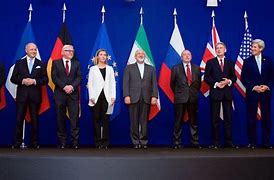
In diplomatic services and governmental fields of endeavor, protocols are often unwritten guidelines. Protocols specify the proper and generally accepted behavior in matters of state and diplomacy, such as showing appropriate respect to a head of state, ranking diplomats in chronological order of their accreditation at court, and so on.
There are many meanings of the word “protocol”. In the legal sense, it is defined as an international agreement that supplements or amends a treaty. In the diplomatic sense, the term refers to the set of rules, procedures, conventions and ceremonies that relate to relations between states. In general, protocol represents the recognized and generally accepted system of international courtesy.
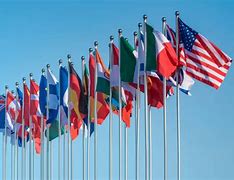
ORIGIN OF PROTOCOL: The term protocol is derived, via French and Medieval Latin, from the Greek word πρωτόκολλον protokollon “first glued sheet of or onto a papyrus-roll”. This comes from the act of gluing a sheet of paper to the front of a document to preserve it when it was sealed, which imparted additional authenticity to it. In the beginning, the term protocol related to the various forms of interaction observed in official correspondence between states, which were often elaborate in nature. In course of time, however, it has come to cover a much wider range of international relations.

IN PROTOCOL IMAGE IS KEY
The Principles of Professionalism
The following are your presence power points. They do not show up on standard tests measuring intelligence or technical expertise, but they identify you to everyone you meet:

“There is only one rule for being a good communicator: Learn to Listen.”
— Christopher Morley

Eye Contact
Your Eye Contact:

Direct eye contact should be made in the range of 40 to 60 percent of the time. Less than that and a person is seen as shy, shifty, hiding something, or lacking self-confidence and authority. If the eye contact is more than 60 percent, a person will feel put on the spot, examined, or under a microscope, so to speak.
If you sometimes get feedback that you are coming across as critical or in a negative manner, and you don’t mean to do that, check your eye contact. You may be looking more than 60 percent and people see this as being pinned down. When you are talking, watch your listener’s eyes to see if you are holding his or her attention. It does not matter what you say if the person you are speaking to is not listening.
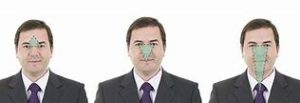
IMAGE 1: Business eye contact
IMAGE 2: Social eye contact
IMAGE 3: Intimate eye contact
Improve Your Mingling Proficiency

Small talk:
Practice these tips to improve your small talk ability:

Avoid these subjects with others you don’t know very well:

Not a member yet? Register now
Are you a member? Login now