
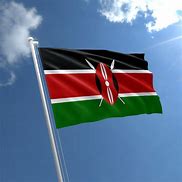
The Kenyan flag, also known as the flag of Kenya, holds a significant place in the nation’s history and culture. With its vibrant colors and meaningful symbolism, it represents the Kenyan identity and heritage. In this article, we will delve into the intriguing aspects of the Kenya flag, its design, historical background, and the symbolism behind its elements.
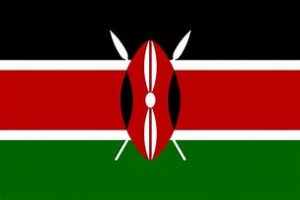
The Kenya flag features a horizontal tricolor of black, red, and green with two white fimbriations between them, and a Maasai shield and spears in the center. The black color symbolizes the people of Kenya, the red represents the blood shed for independence, and the green stands for the country’s natural resources and wealth. The Maasai shield and spears symbolize the defense of freedom.
The flag stands as a powerful symbol that encapsulates the cultural significance and spirit of the nation. Its design consists of three horizontal stripes in black, red, and green separated by two thin white stripes, with a Maasai shield and two crossed spears at the center. The black color symbolizes the people of Kenya, the red denotes the struggle for freedom, and the green represents the natural resources. The white stripes reflect peace and unity. The Maasai shield and spears hold historical and cultural significance, symbolizing the defense of freedom in Kenyan culture.
The history of the flag is intertwined with Kenya’s rich heritage and struggle for independence. Adopted on December 12, 1963, the flag represents the unity and aspirations of the Kenyan people.
Beyond its aesthetics, the flag from Kenya carries deep symbolic meanings. The colors reflect the values and aspirations of the Kenyan people, symbolizing their identity, their struggle, and their rich environment. The Maasai shield and spears represent the nation’s defense of its freedom and heritage. It embodies Kenya’s cultural heritage and serves as a reminder of the nation’s resilience and unity.
Respecting the proper usage and display of the Kenyan flag is of utmost importance. Understanding flag etiquette is essential, especially during national events and ceremonies. Learn about the protocols governing the handling, hoisting, and lowering of the flag. Discover the appropriate procedures for retiring or handling damaged flags, ensuring they are accorded the respect they deserve.
Embark on a journey of fascinating facts and lesser-known trivia about the Kenyan flag. Discover unique features within the flag’s design that hold hidden symbolism. Uncover stories of famous incidents or events involving the flag that have left an indelible mark on the nation’s history and identity.
These historical facts highlight significant moments in the history of the Kenyan flag, showcasing its role in shaping Kenya’s national identity and symbolizing its struggles and aspirations throughout the years.
A flag is not alone in representing the nation’s identity. Explore additional national symbols and emblems closely associated with Kenya, understanding their significance and how they relate to the flag. Delve into their historical and cultural roots, further enriching your understanding of Kenya’s heritage. It’s easy to travel and make a Kenya tour to visit the country’s best destinations.
The flag of Kenya holds several symbolic elements that represent the nation’s history, values, and aspirations. Here are the symbolisms of the Kenyan flag presented in itemized form:
These symbolisms in the flag contribute to the country’s sense of identity and pride, reflecting its historical journey and cultural significance.
Examining the flags of neighboring countries or regions can provide intriguing insights. Compare and contrast the flags, exploring similarities in design, colors, or symbolism. Uncover historical and cultural connections between flags, shedding light on shared influences or distinctive identities.
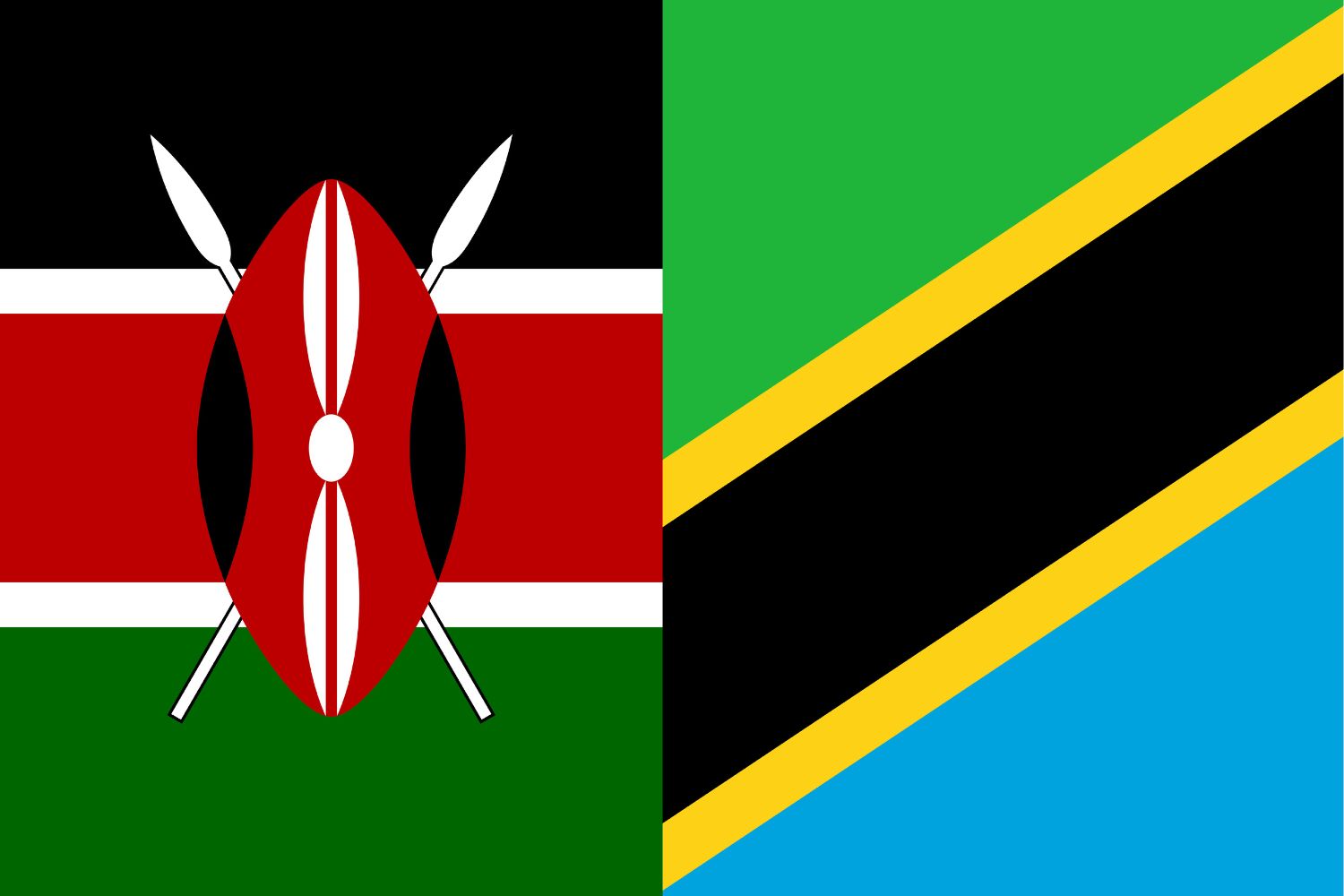
Similarity: Both flags feature a black stripe.
Difference: The Tanzanian flag includes a green field and a diagonal division of blue and yellow.
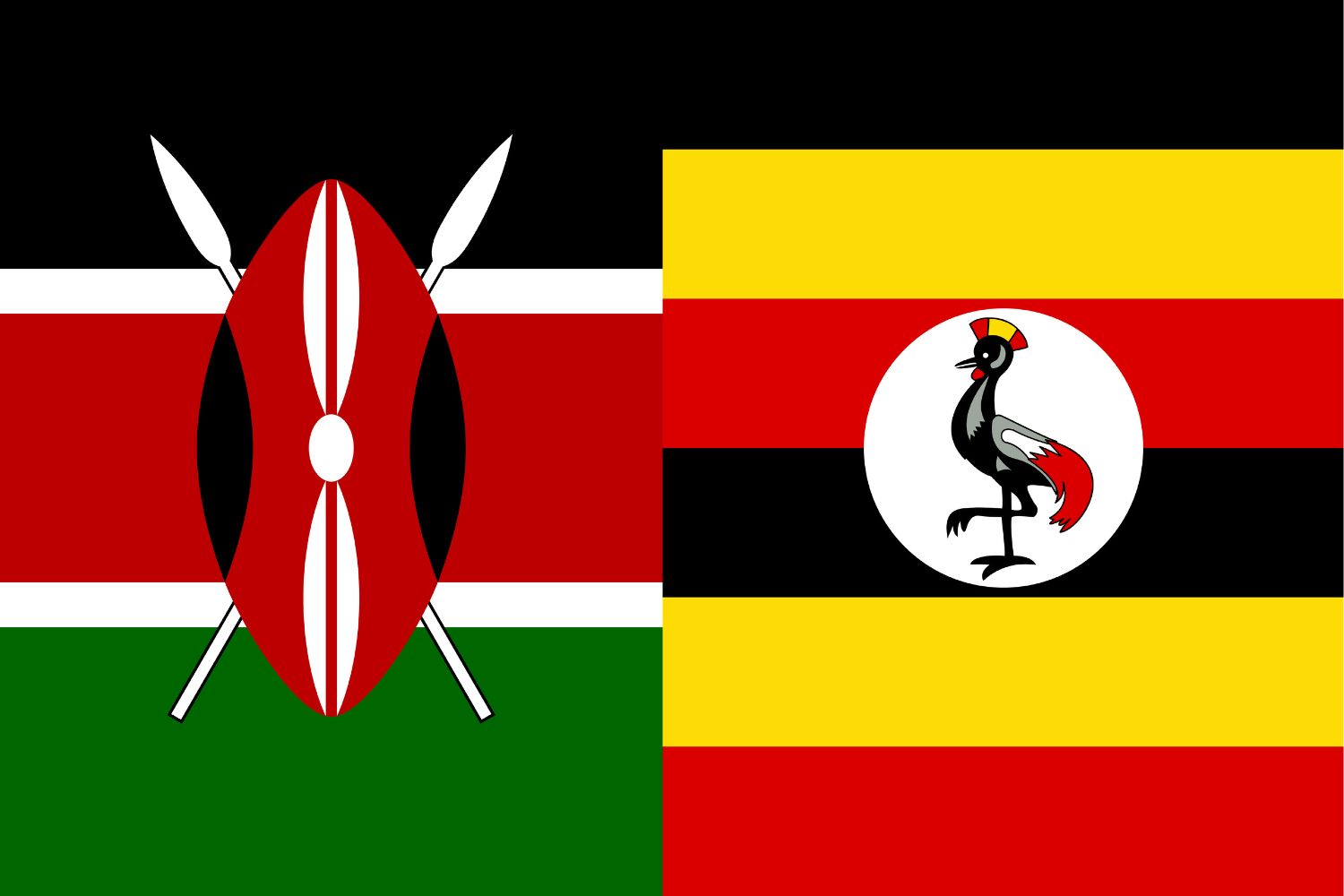
Similarity: Both flags have a black stripe.
Difference: The Ugandan flag includes a grey-crowned crane with one leg raised in the center.
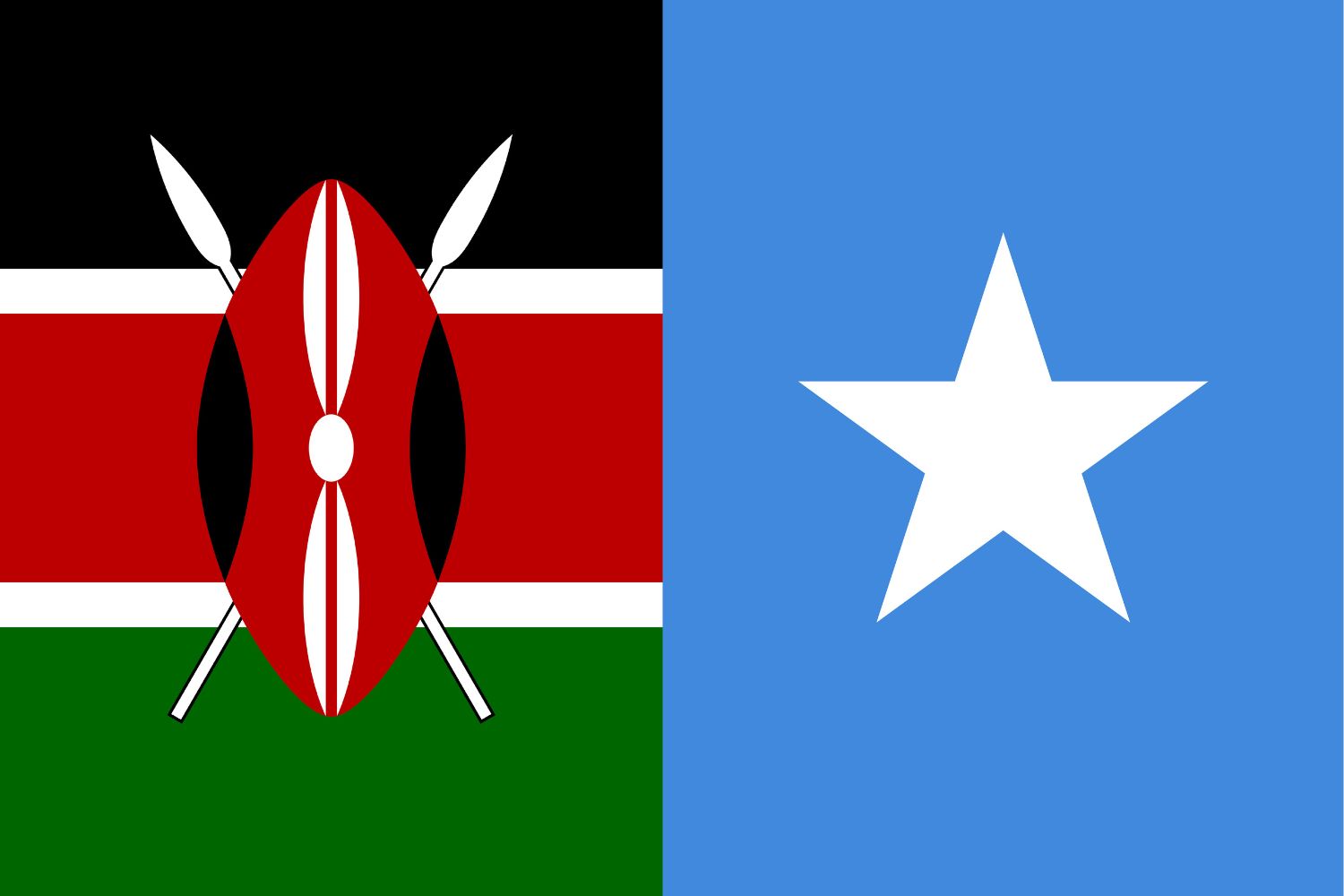
Similarity: Both flags use blue as a prominent color.
Difference: The Somali flag has a white star in the center on a blue field.
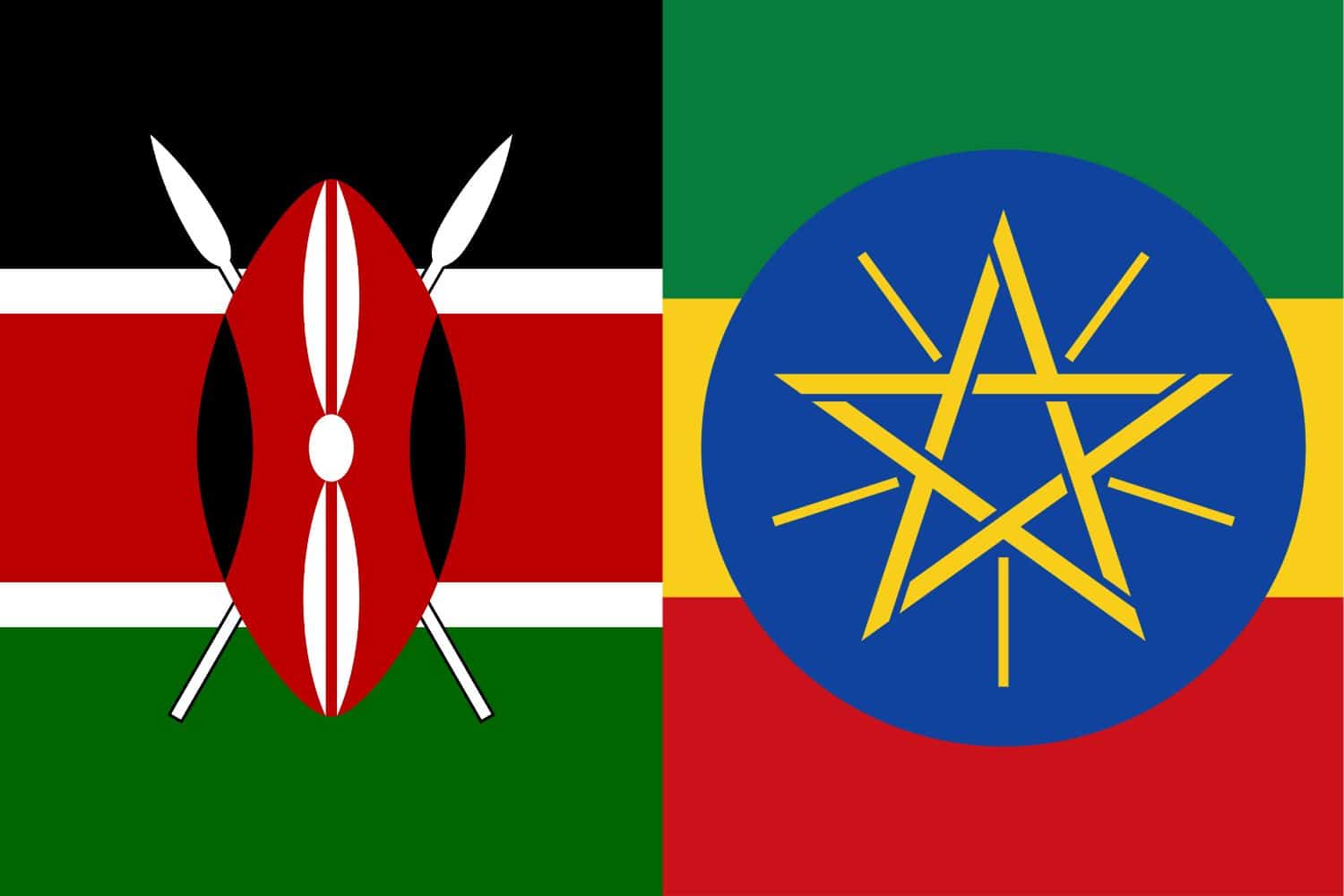
Similarity: Both flags have a red stripe.
Difference: The Ethiopian flag includes green, yellow, and red horizontal stripes with a blue circle and a star in the center.
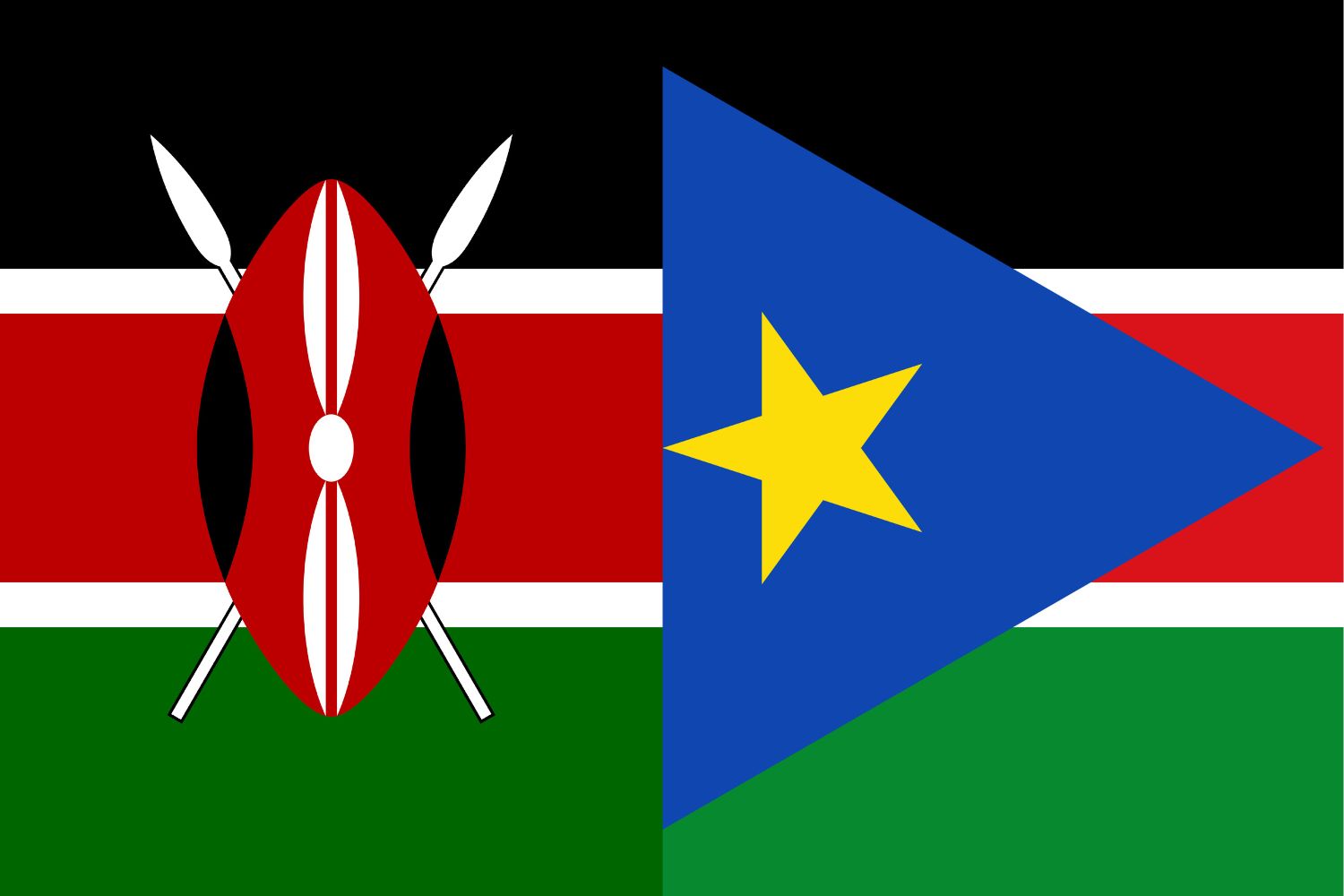
Similarity: Both flags feature a black stripe.
Difference: The South Sudanese flag includes a blue triangle on the hoist side with a yellow star and stripes of green, white, red, and blue.
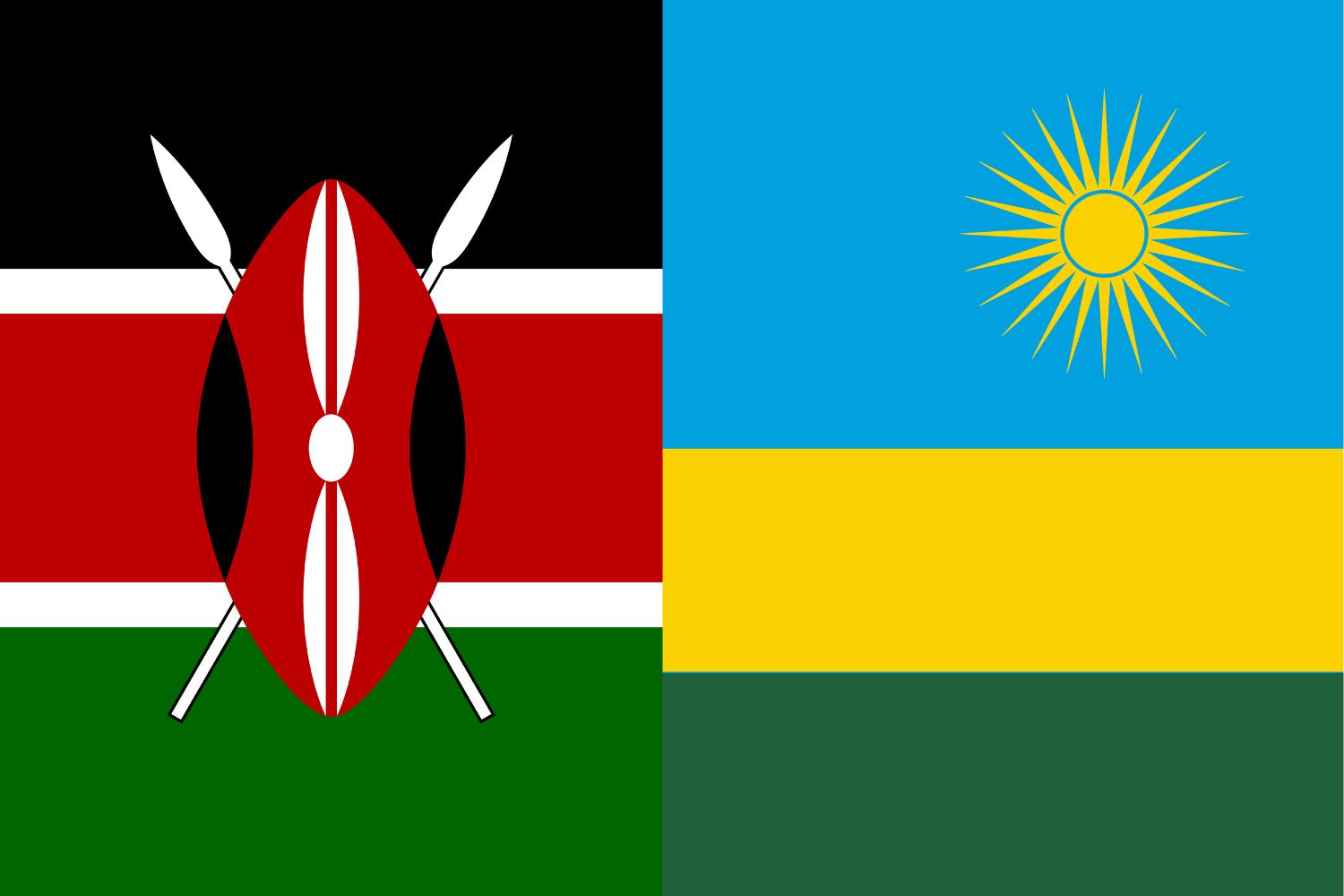
Similarity: Both flags have a green stripe.
Difference: The Rwandan flag includes blue, yellow, and green horizontal stripes with a yellow sun in the upper right corner.
The flag of Kenya is based on the black over red over green flag of KANU (Kenya African National Union), the political party that led Kenya to independence.
On independence, the white fimbriation, symbolizing peace and unity, and traditional Maasai warrior shield and two white spears were added. The flag of Kenya was officially adopted on 12 December 1963.

The presidential standard is an official flag of the President of Kenya designed by the president Elect. The presidential standard is displayed alongside the national flag where the president is and pulled down as soon as he leaves.
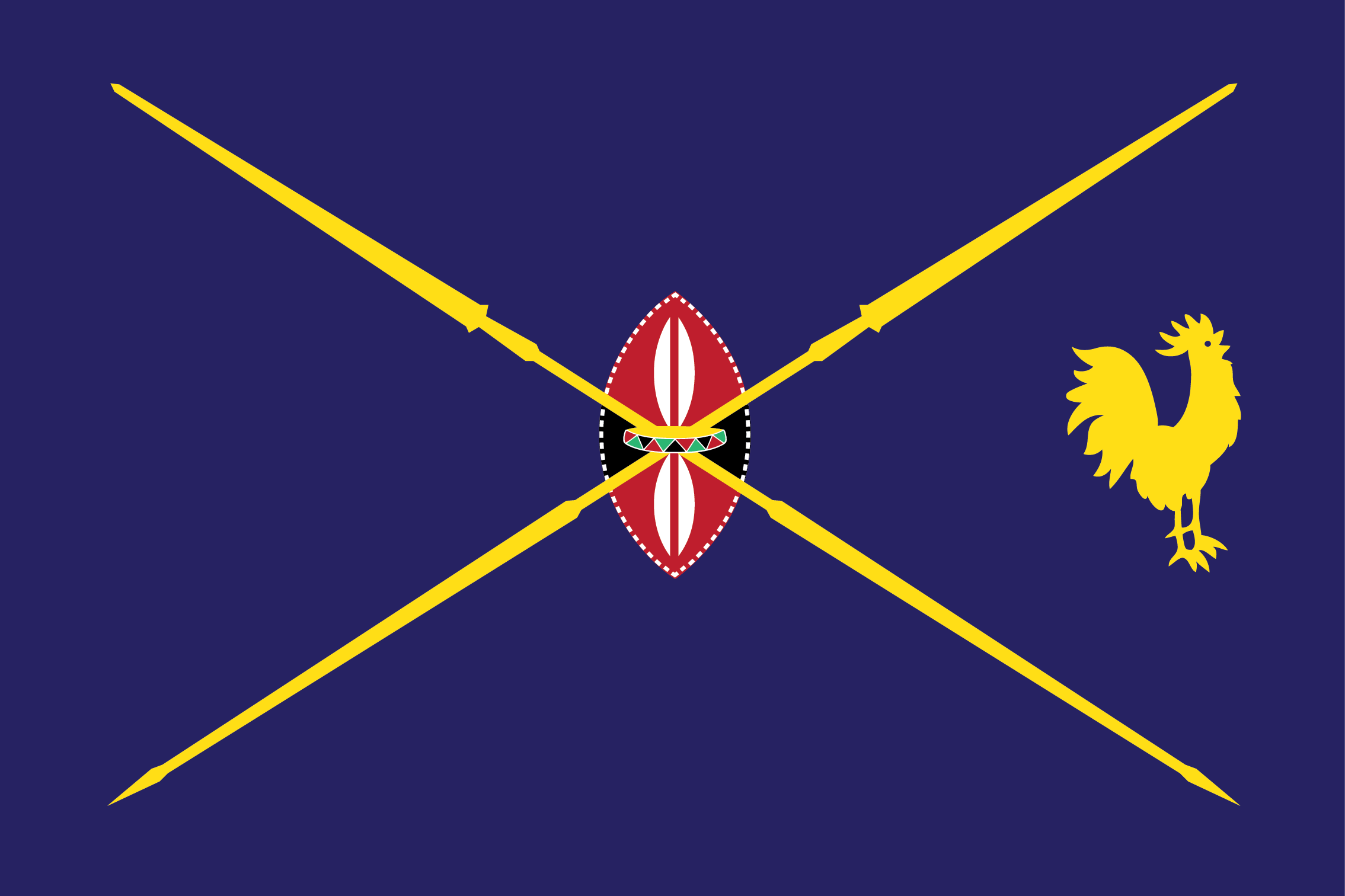
Presidential Standard of Jomo Kenyatta
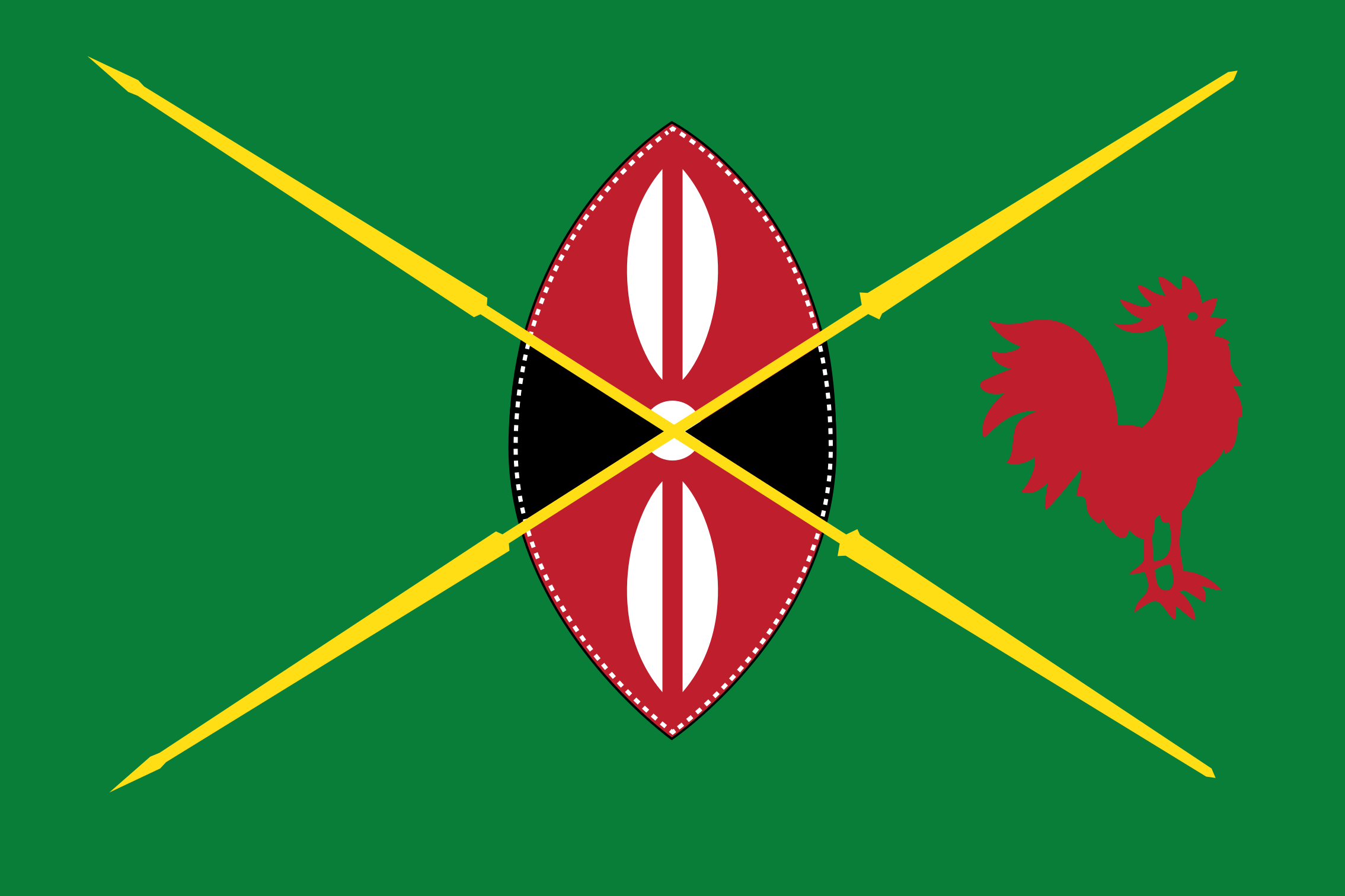
Presidential Standard of Daniel Arap Moi
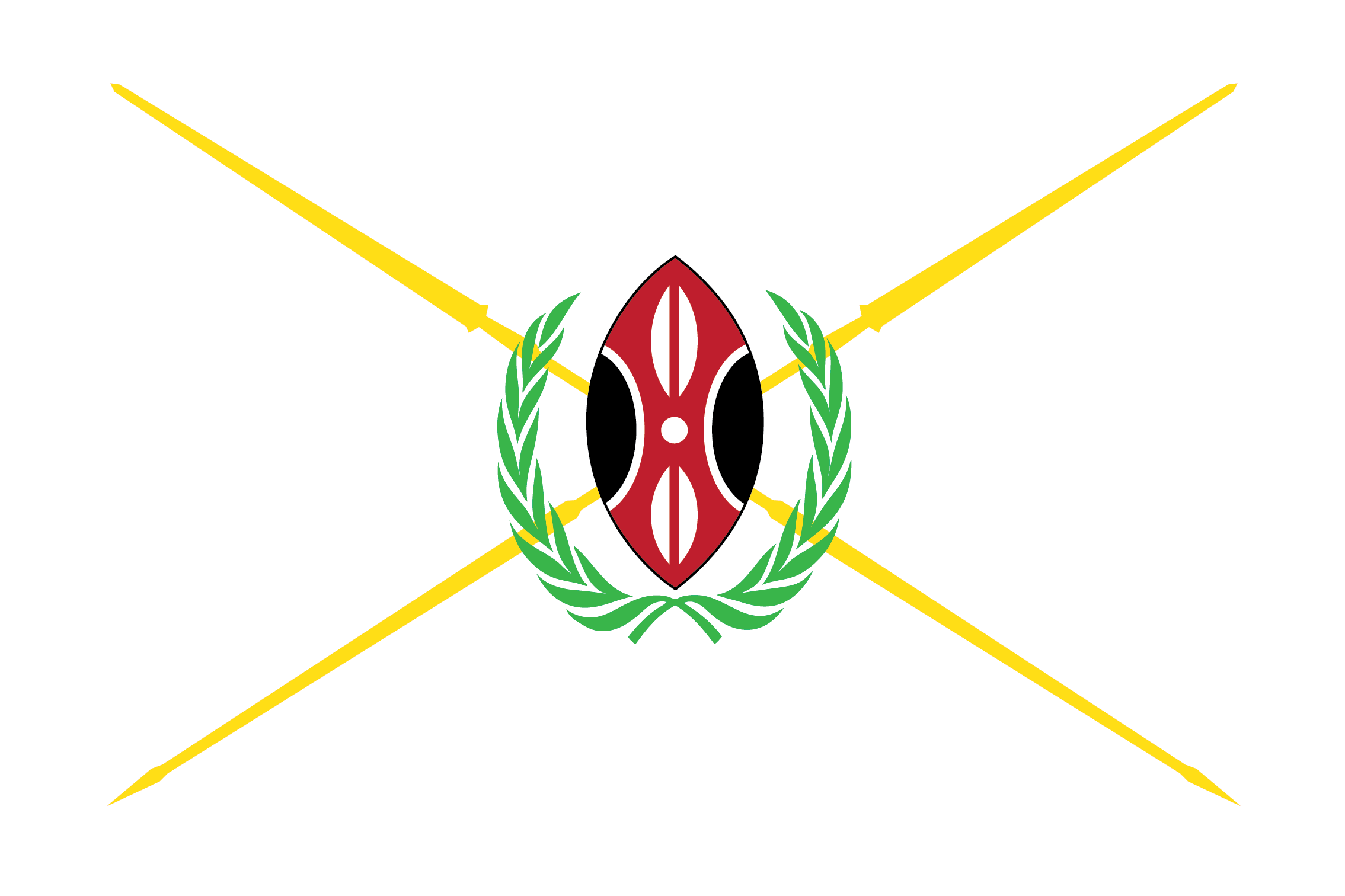
Presidential Standard of Mwai Kibaki
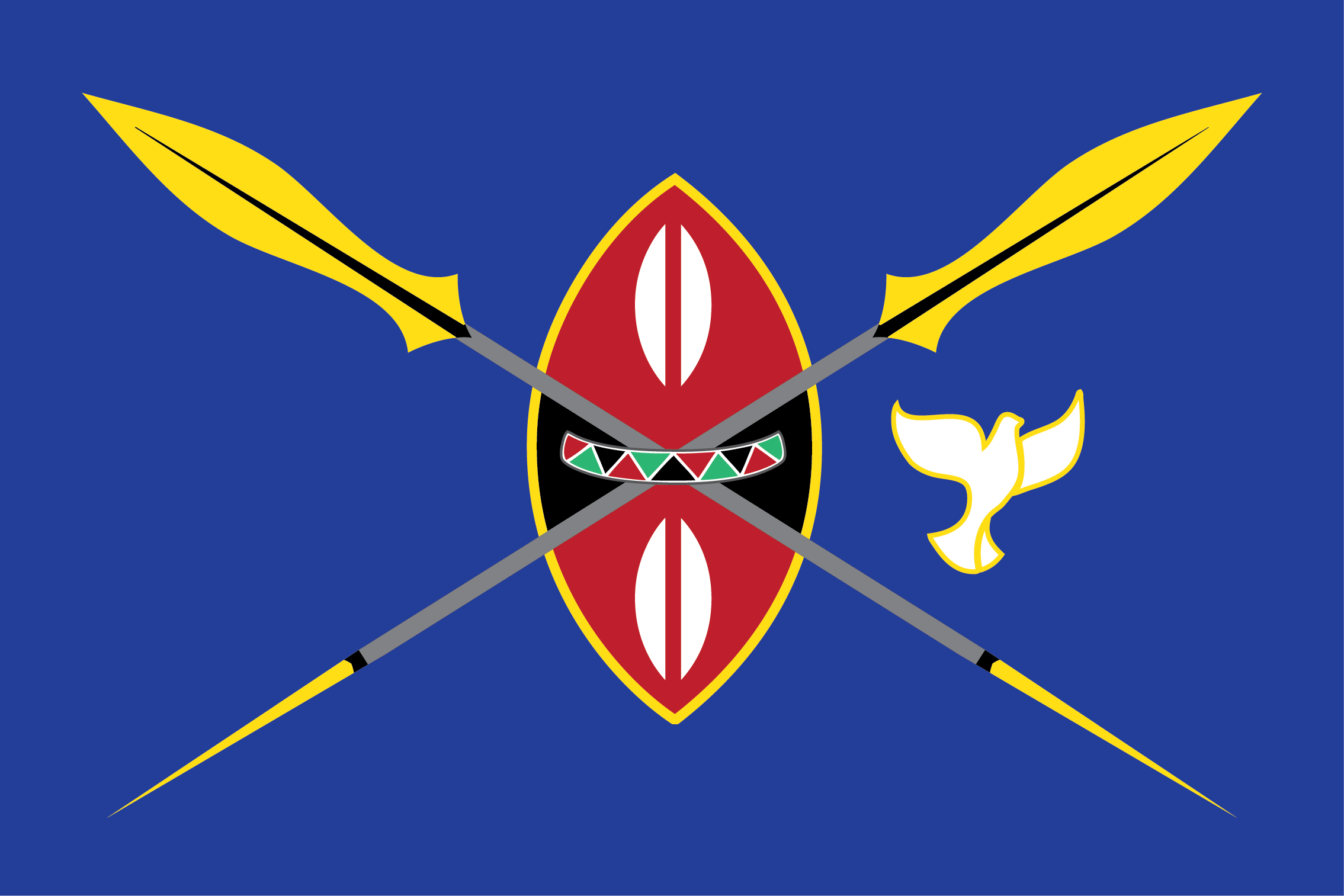
Presidential Standard of Uhuru Kenyatta.
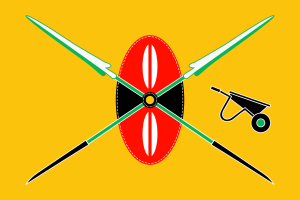
Presidential Standard for William Ruto
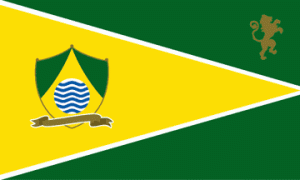
Counties were established after the promulgation of 2010 constitution and first election of 2013. Some counties adopted the flag of the defunct municipal or councils. Other flags adopted in the year after the first county governments were elected which was between 4 March 2013 to the same date on 2014. All counties now have accustomed flags according to their local preferences or produce and struggles.
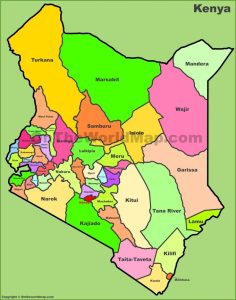
| CODE NUMBER | COUNTY | COUNTY HEADQUARTER |
|---|---|---|
| 01 | Mombasa County | Mombasa (City) |
| 02 | Kwale County | Kwale |
| 03 | Kilifi County | Kwale |
| 04 | Tana River County | Hola |
| 05 | Lamu County | Lamu |
| 06 | Taita Taveta County | Mwatate |
| 07 | Garissa County | Garissa |
| 08 | Wajir County | Wajir |
| 09 | Mandera County | Mandera |
| 10 | Marsabit County | Marsabit |
| 11 | Isiolo County | Isiolo |
| 12 | Meru County | Meru |
| 13 | Tharaka-Nithi County | Kathwana |
| 14 | Embu County | Embu |
| 15 | Kitui County | Kitui |
| 16 | Machakos County | Machakos |
| 17 | Makueni County | Wote |
| 18 | Nyandarua County | Ol Kalou |
| 19 | Nyeri County | Nyeri |
| 20 | Kirinyaga County | Kerugoya/ Kutus |
| 21 | Murang’a County | Murang’a |
| 22 | Kiambu County | Kiambu |
| 23 | Turkana County | Lodwar |
| 24 | West Pokot County | Kapenguria |
| 25 | Samburu County | Maralal |
| 26 | Trans-Nzoia County | Kitale |
| 27 | Uasin Gishu County | Eldoret |
| 28 | Elgeyo Marakwet | Iten |
| 29 | Nandi County | Kapsabet |
| 30 | Baringo County | Kabarnet |
| 31 | Laikipia County | Nanyuki |
| 32 | Nakuru County | Nakuru |
| 33 | Narok County | Narok |
| 34 | Kajiado County | Kajiado |
| 35 | Kericho County | Kericho |
| 36 | Bomet County | Bomet |
| 37 | Kakamega County | Kakmega |
| 38 | Vihiga County | Vihiga |
| 39 | Bungoma County | Bungoma |
| 40 | Busia County | Busia |
| 41 | Siaya County | Siaya |
| 42 | Kisumu County | Kisumu |
| 43 | Homa Bay County | Homa Bay |
| 44 | Migori County | Migori |
| 45 | Kisii County | Kisii |
| 46 | Nyamira County | Nyamira |
| 47 | Nairobi County | Nairobi |
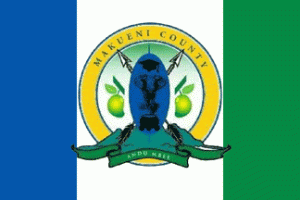
MAKUENI 017
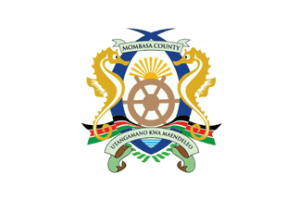
MOMBASA 001
Not a member yet? Register now
Are you a member? Login now