
DEFINATIONS
Diplomatic etiquette refers to the rules of behavior and social norms that govern the interactions between diplomats and foreign governments. Diplomatic etiquette is an important part of diplomatic protocol.
Here are some general rules for proper diplomatic conduct:
Do’s and Don’ts of Diplomatic Etiquette
Calling cards: a married women must never leave a card on a man Seat dinner guest: If you place official guests wrongly, they may protest officially the next day, or even leave your house after the soup.
Dress: A woman is never formally dressed for daytime functions outside home unless she is wearing a hat and gloves…women officers would be well advised to keep a hat and glove in the office for such emergencies.
Humor: Beware the temptations of wit and the dangers of humor. Failures in this line can lead to misunderstandings.
Dress: When deciding what to wear on an ordinary day remember that it may bring unexpected demands. Public speaking: Do not speak for too long. Try not to use a text Your audience is more likely to stay awake.

Principles of diplomatic etiquette
Diplomatic etiquette is the complex of customaries, rules, habits, observed by government facilities, organizations, authorities, businessmen and others, who participate in external communication.
Principles of diplomatic etiquette: Comity of nations international character of diplomatic etiquette Any foreign person, who in the host state, should be respected on the part of official persons and government of this country.
Each foreigner should show respect to the government, customs, traditions, lows of the host state.
To formal events one may refer different receptions and ceremonies, held on the occasion of national holidays, historically significant dates, arrival of foreign delegations, heads of state and government, etc. Such receptions are navigated by heads of state, government, ministers, and also embassies, consular agencies, trade delegations of the state abroad.

Etiquette at the formal events.
To formal events one may refer different receptions and ceremonies, held on the occasion of national holidays, historically significant dates, arrival of foreign delegations, heads of state and government, etc. Such receptions are navigated by heads of state, government, ministers, and also embassies, consular agencies, trade delegations of the state abroad.
Military attaches, commanding officers, who have the visit of friendship at foreign base, representatives of local military command and civil authorities in accordance with the procedure of solemnities extension to military guests may also navigate receptions.
Diplomatic receptions are given independent from any event in the procedure of daily diplomatic operation. For diplomatic mission such receptions are the most common. Because of the fewness of guests, such events may be a good possibility for conversational gambit, strengthening and extension of contacts, getting of the necessary information, influence on the local circles at the necessary way, specification of external policy of the country.
Independent from purpose, size and type, diplomatic reception carries political character, as it provides meeting of foreign representatives. Being abroad, the visitor should respect rules and customs, accepted in this country.
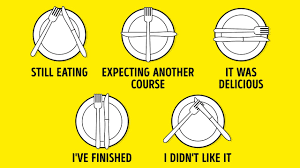
Inviting the foreigner to a formal event, one should take care of not to put him into the state, abasing or offending his national dignity, otherwise he may estimate it as contempt to his state and nation. First of all, one should strictly observe business etiquette.
While discharging of own functions, formal events planning, participating in ceremonies and procedures, diplomatists act in respect with business etiquette, which suggests a complex of generally accepted rules, traditions, conventionalities, observed by governments, national representatives abroad (embassies and consular agencies) in the process of communication with each other.
A lot of elements of formal diplomatic etiquette are the part of customaries and rules of business etiquette.
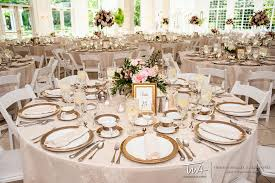
Common rules of etiquette
Greeting in certain countries have national overtone. Handshake is the main form of greeting. But in some countries handshake with women is not customary. Kisses are typical for France and Mediterranean countries, hugs – for Latin America. Two palms held together is national Indian greeting. In many countries religion influences business a lot.
One should know about doxies of the host country, but not get into argument concerning this topic. One should always be diligent, take into account road traffic and flock in the streets.

Clothes are an essential element, because it is a part of appearance. It should be low-key, well-tailored and of high quality. White shirts and dark suits are the most common. Women in business travels should not wear trousers and too short skirt or sleeveless dress as well.
If one comes to the country not for the first time, he should care for having on the back of the business card information in the language of this country. In South-east Asia, Africa and Middle East business cards are always offered with the right hand. In Japan it is offered with two hands with appropriate side to the partner.
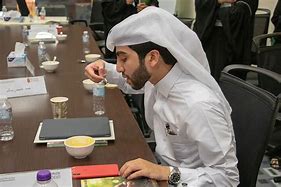
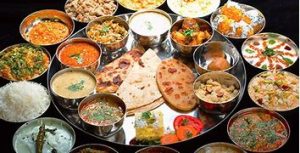
One should respect national traditions in food, holidays and nation’s leadership of the country visited. To eat local food is considered good style in many countries. During meal, if it is unknown for a visitor, he should not ask “what is this”, just eat what is offered. One should cut the portion small.
If you do not know the language of the country visited, you should have an interpreter during conversations. To know some general expressions is important. While conversation through an interpreter, the presence of a person knowing both languages is desirable in order to control the interpretation and correct mistakes.

If the partners speak too quickly for you, you may ask them do it more slowly explaining incompleteness of language proficiency. But never accuse them of speaking quick.
If negotiations are held in your native language, you should not accuse the partner for accent as well; you should speak slowly and clean. Do not joke, because national humor is very specific, as well as slang, which also should be avoided. One should show respect to elders everywhere. They are the ones, who should start the conversation first. When elder people are entering the room, one should stand up.
Not a member yet? Register now
Are you a member? Login now